
When Your Business Grows, Your Uniform Needs Change Too

May
How construction crews, healthcare teams, and service businesses outgrow one-size-fits-all workwear
At the beginning, uniforms are simple.
You need shirts. Maybe a hoodie. Something with your logo on it so your team looks professional and represents your business well.
But as your business grows, things start to change.
You add more employees.
You take on different types of work.
You serve different customers.
And before long, what used to be a simple, uniform decision becomes more complicated.
It Starts With a Few Shirts
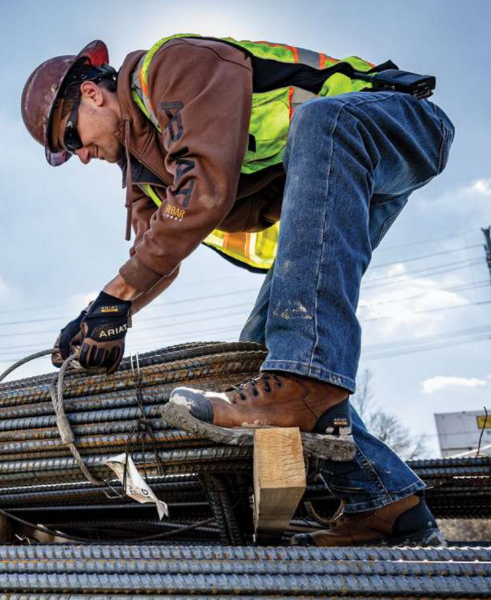 For many small businesses—especially in construction, landscaping, and service trades—uniforms start as a basic need:
- branded t-shirts
- hoodies for colder weather
- maybe hats or jackets
The goal is simple:
- look professional
- represent your company
- build trust with customers
And that works—for a while.
Then the Work Changes
As your business grows, your work often becomes more specialized.
Construction crews may need:
- high-visibility apparel
- weather-resistant outerwear
- safety gear
Landscaping teams may need:
- breathable fabrics for summer
- durable pants and gear for outdoor conditions
- seasonal flexibility
Healthcare teams may need:
Now you’re not just buying uniforms—you’re managing different types of workwear for different roles.
Identification Starts to Matter More
As teams grow, another challenge shows up:
Who is who?
Customers, patients, and clients want to quickly recognize:
- employees vs. supervisors
- departments or roles
- trusted members of your team
That’s where customization becomes important.
Businesses begin to add:
- employee names
- company logos
- department identifiers
- consistent colors or styles
Your apparel becomes more than clothing—it becomes a tool for communication and trust.

What Used to Be Simple Starts to Feel Complicated
At this point, many business owners start to notice:
- ordering isn’t as easy as it used to be
- different employees need different items
- sizes, styles, and roles are harder to manage
- reordering takes time
- things get inconsistent
You might be working with:
- one vendor for shirts
- another for safety gear
- another for branded items
It works—but it takes more effort than it should.
You’re Not Alone
This happens to a lot of growing businesses.
Not because anything went wrong—but because your business has evolved.
What worked when you had 5 employees doesn’t always work when you have 15… or 30… or more.
A Better Way to Think About It
Instead of treating uniforms as one-off purchases, many businesses start thinking about them as part of how their company operates.
That means:
- making sure employees are easy to identify
- keeping your brand consistent
- choosing the right gear for the job
- making ordering easier and more organized
In other words, building a system that fits how your business actually works
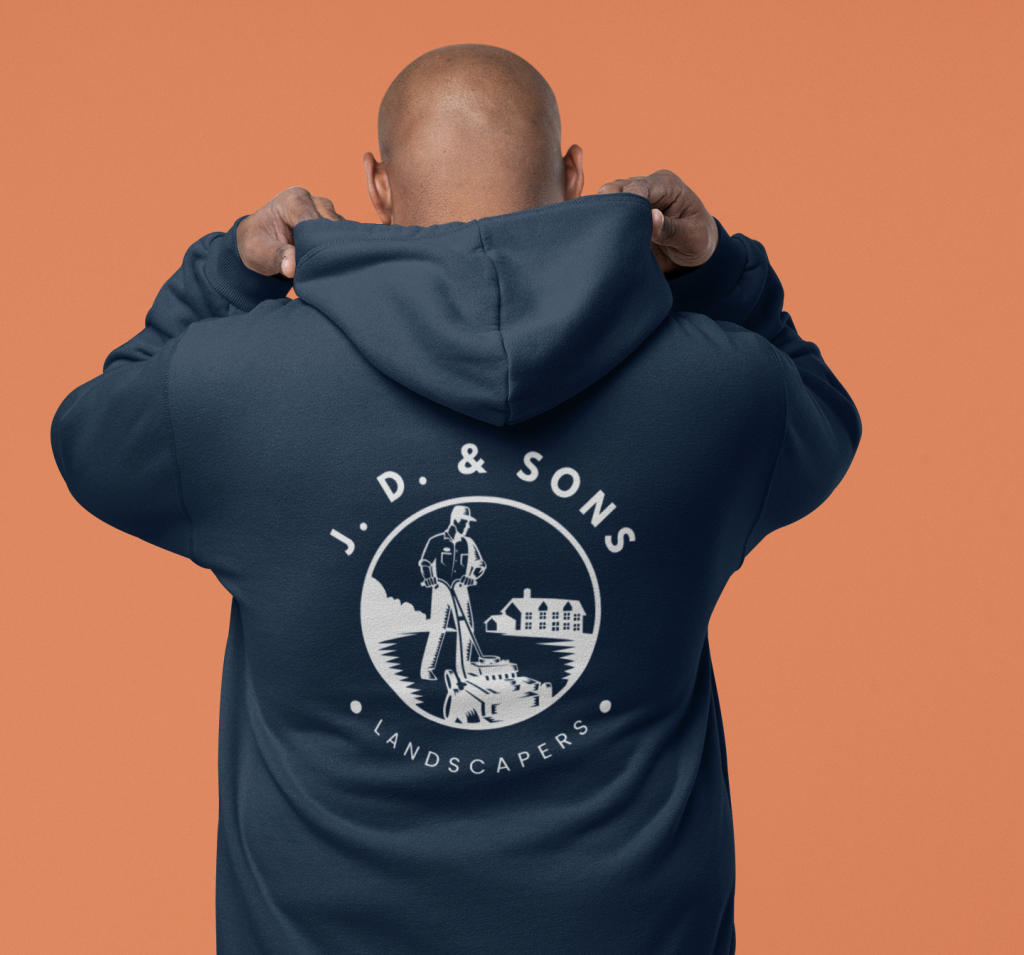
Built Around Your Business
Every business is different.
A construction crew has different needs than a healthcare team.
A landscaping company works differently than a service provider.
Your uniforms should reflect that.
When your workwear is built around your team—your roles, your environment, and your customers—it does more than make your business look good.
It helps your business run better.
A Quick Check for Your Business
You may be starting to outgrow your current setup if:
- your team has grown beyond a few people
- different roles require different gear
- customers need to easily identify your staff
- ordering uniforms feels inconsistent or time-consuming
- you’re using multiple vendors for different needs
If that sounds familiar, it may be time to rethink how your uniforms are set up.
All in All
Growth is a good thing.
But as your business evolves, the systems that support it need to evolve too.
Uniforms are one of those systems.
And when they’re done right, they support your team, your brand, and the way your business works—every day.
FAQs
Q: Why are professional work uniforms important?
A: They improve employee confidence, create consistent branding, and help customers quickly identify staff.
Q: Do uniforms really affect employee behavior?
A: Yes. Uniforms can increase accountability, confidence, and consistency by reinforcing professional identity.
Q: What is the benefit of custom workwear?
A: Custom workwear adds branding, identification, and functionality, turning uniforms into performance tools.