
Why More Small Businesses Are Choosing Modern Workwear Programs
Jun
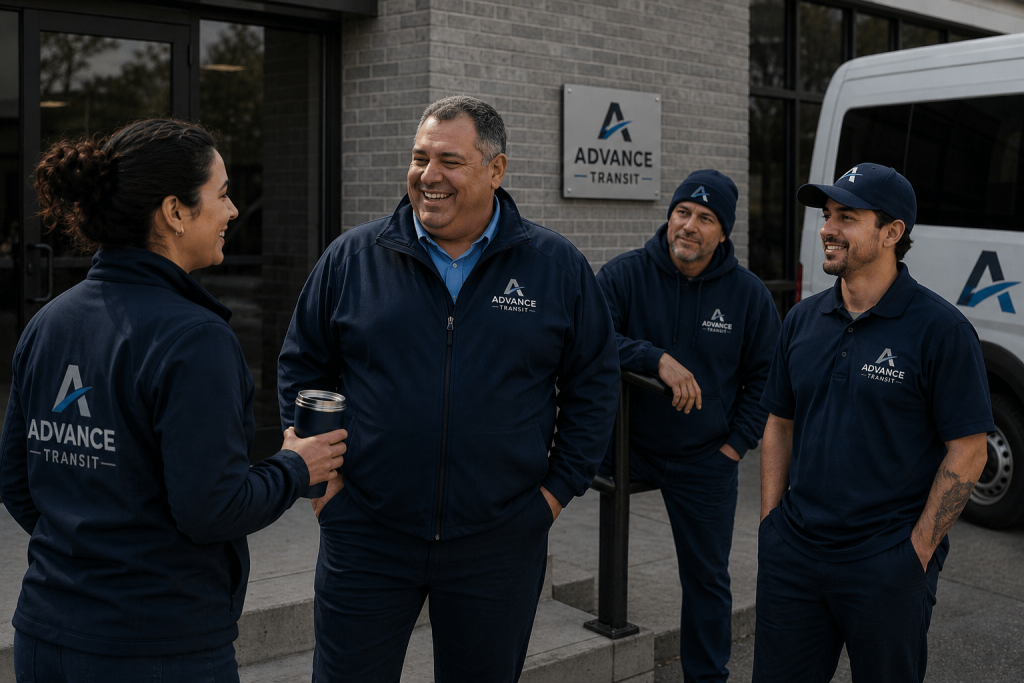
Branded workwear for small business used to be a simple thing. Buy a few matching shirts. Add a logo. Replace items when they wear out. But today, the way crews dress has become part of how businesses present themselves, attract employees, and build customer trust.
Today, nearly 1 in 4 employees are required to wear a uniform most days. Across industries like construction, landscaping, delivery, healthcare, facilities management, food service, and contracting, small businesses are rethinking what modern workwear should look and feel like.
The shift is not simply about uniforms anymore. It is about professionalism. Comfort. Identity. Pride. Consistency.
And increasingly, it is about helping hardworking people feel like they are part of something established and respected.
That is one reason more companies are investing in branded workwear for small business teams that looks more modern, feels more comfortable, and better reflects how people actually work today.
Generic Workwear No Longer Fits Modern Crews
For years, many businesses relied on basic, one-style-fits-all workwear.
But workers today expect more flexibility and comfort than previous generations.
Modern crews often want:
- lightweight fabrics
- stretch materials
- weather layering
- quarter-zips and hoodies
- better women’s fits
- more breathable options
- modern outerwear
- apparel that feels closer to everyday clothing
This is especially important for employees spending long hours outdoors, driving between locations, working in heat, or moving constantly throughout the day.
Workwear has become part of the employee experience. When apparel feels uncomfortable, outdated, or poorly fitted, workers notice. When it feels modern, comfortable, and personalized, they notice that too.
Looking Professional Helps Small Businesses Grow
Customers make judgments quickly.
Before a conversation even begins, people notice:
- how a crew presents itself
- whether apparel looks coordinated
- whether employees appear organized and professional
- whether branding feels consistent
For growing companies, appearance can help communicate reliability and legitimacy.
A coordinated team wearing clean, branded apparel often creates stronger first impressions than mismatched shirts or faded generic uniforms.
Research surrounding branded apparel and workplace identity continues to show connections between professional appearance, employee confidence, and customer perception.
For many small businesses, modern workwear has become part of building trust.
Especially for:
- contractors
- delivery services
- HVAC companies
- electricians
- landscapers
- culinary professionals
- cleaning services
- healthcare support teams
- local service businesses
Looking established matters.
Even when the company is still growing.
Your Crew Is Not Generic — Your Workwear Shouldn’t Be Either
One of the biggest changes in modern workwear is choice. Not every worker wants the same shirt, jacket, or layering system. Different jobs require different apparel combinations.
Some employees run hot.
Some work outdoors year-round.
Some interact directly with customers all day.
Others need heavier-duty garments for physical work environments.
Modern workwear programs increasingly include:
- lightweight performance polos
- moisture-wicking shirts
- softshell jackets
- hooded sweatshirts
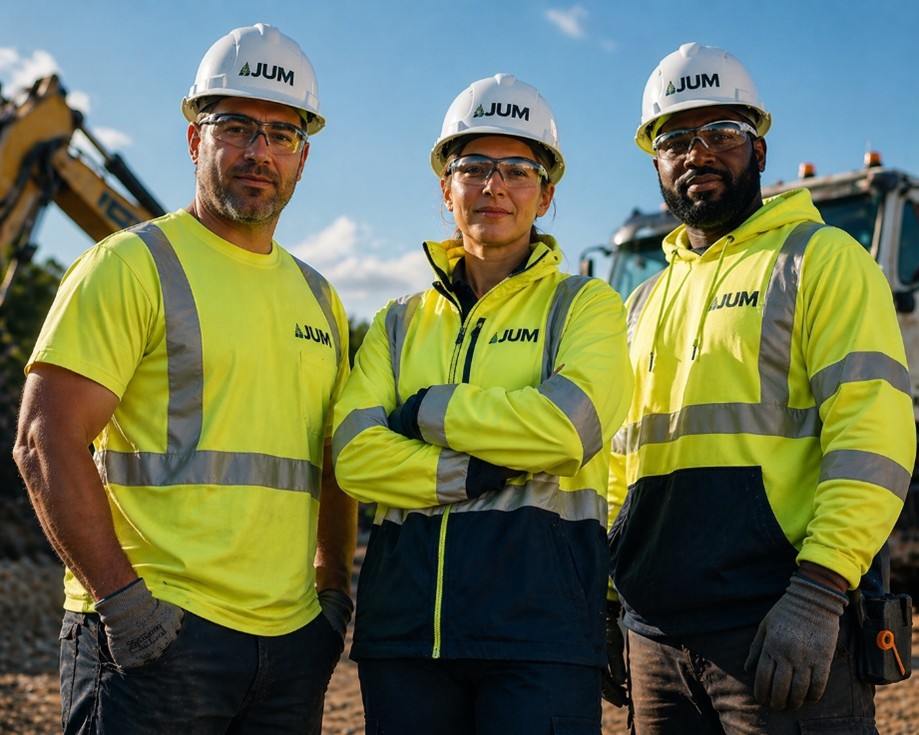
- hi-visibility outerwear
- stretch work pants
- safety boots and footwear
- quarter-zips
- women-specific fits
- branded caps and beanies
This flexibility helps workers feel more comfortable while still maintaining a professional, coordinated look.
Small Crews Want to Feel Like Teams
For many businesses, branded workwear does something beyond appearance. It creates identity.
When crews wear coordinated apparel, employees often feel:
- more connected
- more professional
- more recognized
- more confident representing the company
That matters more than many owners realize. Especially in competitive labor markets where retention and morale have become increasingly important.
Modern workwear can help reinforce:
- team culture
- pride in workmanship
- employee recognition
- consistency across crews and vehicles
- professionalism on job sites and customer properties
For many workers, putting on branded apparel feels less like “wearing a uniform” and more like representing a team they are proud to be part of.
Modern Workwear Is More Comfortable Than Many Owners Realize
Workwear has evolved significantly over the past decade.
Many modern garments now include:
- stretch fabrics
- moisture management
- lighter-weight construction
- weather resistance
- improved mobility
- softer materials
- more contemporary styling
This has changed expectations dramatically.
Workers who once tolerated stiff, heavy, or uncomfortable apparel now expect workwear that supports long days, changing weather, and physical movement more comfortably.
For small business owners, this creates an opportunity to invest in apparel that employees actually want to wear.
And when employees wear apparel more consistently, branding consistency improves naturally as well.
Local Service Still Matters
One reason many businesses continue choosing local workwear providers is simple:
People still value real human help.
Trying garments on in person.
Getting embroidery recommendations.
Adjusting sizing.
Matching colors.
Adding names or departments.
Coordinating jackets, hats, shirts, and outerwear together.
Those details matter.
Especially for small businesses where every employee represents the company directly.
At Work Hard Dress Right, many customers are not large corporations.
They are:
- local contractors
- family-owned businesses
- healthcare workers
- growing crews
- independent operators
- hardworking people building something of their own
And often, what they want is not simply “a uniform.”
They want to look professional.
Feel comfortable.
Represent their company well.
And build pride in the work they do every day.
Workwear Is Becoming Part of the Business Identity
As businesses grow, branded workwear often becomes connected to:
- trucks and vans
- signage
- social media
- websites
- customer trust
- employee recognition
- community visibility
It becomes part of the overall image customers associate with the company.
For many small businesses, modern workwear is no longer an afterthought. It is part of how the business presents itself to the world.
And increasingly, companies are realizing that professional, comfortable, coordinated apparel helps communicate something important:
We take pride in what we do.
FAQs: Branded Workwear for Small Business
Why is branded workwear important for small businesses?
Branded workwear helps businesses create a more professional appearance, improve brand recognition, and build customer trust. It can also strengthen employee pride and consistency across crews.
What types of businesses benefit from branded workwear?
Contractors, landscapers, delivery companies, HVAC businesses, electricians, healthcare workers, facilities teams, food service operators, and many other service-oriented businesses benefit from coordinated branded apparel.
What makes modern workwear different from traditional uniforms?
Modern workwear often features lighter fabrics, stretch materials, improved fit, weather-layering options, and more contemporary styling designed for comfort and mobility.
Can small businesses customize workwear with logos and names?
Yes. Many businesses customize apparel with embroidery, heat-seal graphics, printed logos, employee names, department identification, and reflective applications.
Why do employees care about workwear comfort?
Employees spend long hours wearing work apparel. Comfortable, flexible, weather-appropriate clothing can improve morale, confidence, and day-to-day job satisfaction.
How does coordinated workwear help businesses look more professional?
Matching branded apparel creates consistency across employees and helps customers quickly identify workers, reinforcing professionalism and company identity.
What should small businesses consider when choosing workwear?
Businesses should evaluate comfort, durability, weather conditions, branding options, employee preferences, fit availability, and how apparel reflects the company’s image and culture.