
Durable, Comfortable Chef Uniforms for Newark, NJ
Sep
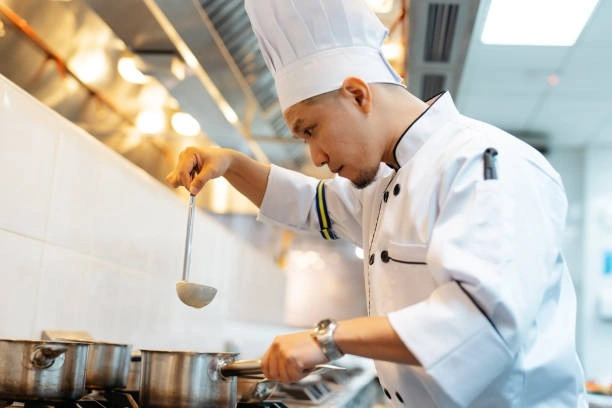
Walk into any kitchen in Newark’s Ironbound district on a Friday night, and you’ll see it fast: chef uniforms taking a beating. Grease splatter. Sweat. Sauce that somehow ends up on a sleeve nobody remembers touching. Chef uniforms for Newark, NJ kitchens need to survive every single shift, not just look good in a catalog photo.
This isn’t a product listing. It’s a real breakdown of what actually makes a chef uniform durable, what makes it comfortable, and where most restaurants get it wrong.
Every kitchen in this city has a story about a coat that fell apart in a month. Let’s make sure yours isn’t one of them.
What Makes a Chef Uniform Actually Durable
Here’s the thing nobody tells you when you’re shopping for chef clothing: most of it isn’t built for a real kitchen. It’s built for a photo shoot.
Real durability comes down to a few things:
-
- Reinforced stitching at stress points, sleeves, seams, pockets
- Fabric that resists tearing when you’re moving fast between the line and the pass
- Color that doesn’t fade after twenty industrial washes
- Buttons or snaps that actually stay attached
Cheap chef coats fall apart in weeks. A good one survives a full year of double shifts and still looks like it belongs on a chef. That’s the real test for chef uniforms for Newark, NJ restaurants, not how they look on day one, but how they hold up on day two hundred.
What Makes a Chef Uniform Actually Comfortable
Comfort isn’t a luxury in a kitchen. It’s survival gear. Anyone who’s worked a full dinner rush in the wrong uniform knows exactly what I mean.
Think about it. You’re standing next to a flat-top grill for eight hours. The kitchen’s hot. You’re moving constantly, reaching, bending, twisting past three other people in a space built for two.
Comfortable chef uniforms need:
- Breathable fabric that doesn’t trap heat
- Enough stretch to move without restriction
- A fit that isn’t baggy (safety hazard near flames) or too tight (miserable by hour three)
- Moisture-wicking material that keeps sweat from soaking through
Chef Uniforms for Newark, NJ kitchens specifically need to handle both the summer heat coming off the equipment and whatever the walk-in cooler throws at you five minutes later. That’s a real temperature swing, multiple times a shift.
Chef Coats: Fit, Sleeve Length, and Closure Types
Not every chef coat works for every role. Picking the right chef uniform jacket for Newark, NJ kitchens starts with knowing which style actually fits the job. Here’s the breakdown:
Short-sleeved chef coats work best for line cooks who need full arm mobility and don’t want extra fabric near open flames.
Long-sleeved coats offer more coverage, useful for prep work, baking, or cooler kitchen environments.
Double-breasted coats are the classic look, and they flip inside-out to hide stains during service. Practical, not just tradition.
Snap-front coats close faster than buttons, which matters when you’re in a hurry between courses.
A lightweight chef coat, the kind built with mesh panels and moisture-wicking fabric, makes a real difference on a hot line. Brands across the industry, including well-known names like Happy Chef, build entire product lines around exactly this need, though it’s worth confirming with your supplier which specific lightweight options they actually carry in stock.
Chef Pants, Aprons, and Chef’s Hats
The coat gets all the attention, but the rest of the chef’s kitchen uniform matters just as much.
Chef pants need stretch and stain resistance. Baggy fits work for classic kitchens; slim fits work better for chefs who move fast and don’t want extra fabric catching on equipment. Either way, the fabric needs to survive a hot wash cycle without shrinking; nothing is worse than pants that fit perfectly until the first laundry day.
Aprons should be adjustable, with pockets that actually hold something useful, a thermometer, a pen, a side towel.
A chef’s hat isn’t just tradition. Toques keep hair contained (a real hygiene requirement), and they signal rank in a lot of kitchens, still.
Fabric Technology That Matters
This is where the good chef apparel separates itself from the cheap stuff.
- Oil and stain-repelling finishes: grease beads off instead of soaking in
- Moisture-wicking fabric: pulls sweat away from skin instead of trapping it
- Stretch panels at the back and underarms: let’s you actually move
- Wrinkle-resistant fabric: looks sharp at the start of service and still looks sharp at the end
Some fabric technologies go by brand names: OilBlok for grease resistance, flex zones built into stress points for mobility. Whatever the name, the function matters more than the marketing term attached to it.
Hygiene and Kitchen Safety Considerations
A chef uniform isn’t just clothing. In a working kitchen, it’s part of food safety.
- Buttons and snaps need to stay secure; a loose button in a dish is a real problem, not a minor one
- Fabric needs to sanitize easily, surviving repeated hot washes without breaking down
- Sleeves and coats need enough heat resistance to stay safe near open flames, fryers, and hot equipment
- Loose, baggy sleeves are a hazard near flat-tops and open burners, not just a style choice
None of this is optional. A uniform that fails on hygiene or safety isn’t a comfort issue anymore; it’s a liability. Any kitchen manager sourcing chef uniforms for Newark, NJ locations should treat this checklist as non-negotiable, not a nice-to-have.
Built From Real Kitchen Experience
This isn’t theory. Work Hard Dress Right built their chef program alongside actual working chefs, including their partnership with Chef Cardie, a story about someone who put the coat back on and built something real from it. It’s the same philosophy behind every recommendation in this guide to chef uniforms for Newark, NJ kitchens: gear should work as hard as the people wearing it.
“When I put that coat on, I don’t just look like a chef. I feel responsible to be one.”
That’s not marketing copy. That’s what a real chef uniform is supposed to do: give you the gear to actually perform, not just the look.
Comparison: Chef Uniform Piece by Piece
|
Piece |
Priority | Key Feature |
Best For |
|
Short Sleeve Coat |
Mobility | Full arm movement |
Line cooks, high-heat stations |
|
Long Sleeve Coat |
Coverage | More arm protection |
Prep, baking, cooler kitchens |
|
Chef Pants |
Stretch, stain resistance | Movement without restriction |
All kitchen roles |
|
Apron |
Utility | Adjustable, functional pockets |
Front-of-house and back-of-house |
|
Chef’s Hat |
Hygiene, rank | Hair containment |
Traditional and modern kitchens |
Custom Branding for Restaurant Chef Uniforms
A uniform with your logo on it does more than look professional. It builds brand identity, table by table, plate by plate. For restaurants competing across Newark’s crowded food scene, that consistency is free marketing for every single service.
Custom embroidery on chef coats turns kitchen staff into a recognizable team. Work Hard Dress Right does in-house embroidery, which means faster turnaround and no waiting on an outside shop to get your logo right.
Common Mistakes Restaurants Make
Half the reorders in this industry come down to the same handful of avoidable slip-ups. Here’s what shows up again and again:
- Buying based on looks alone, ignoring fabric quality and stitching, then reordering within a month
- Skipping stretch fabric, then wondering why staff complain about mobility on the line
- Ignoring proper sizing, leading to uniforms that either restrict movement or catch on equipment
- Choosing cheap fabric that stains permanently after the first grease splatter
- Forgetting the chef’s hat and apron, treating the coat as the whole uniform
- Ordering one uniform style for the entire kitchen instead of matching gear to different roles, a line cook and a baker don’t need identical coats
Catch these before the first order goes out, and you won’t be back here reordering in three months.
Why Newark Kitchens Trust Work Hard Dress Right
There’s a difference between a uniform supplier and a kitchen partner, and most restaurants find out the hard way. Work Hard Dress Right doesn’t just sell chef coats off a rack; the whole program gets built around what actually happens on a working line, not what looks good in a catalog.
That’s not a sales pitch. It’s the same approach behind the Chef Cardie partnership: real input from real chefs, not a guess at what a kitchen needs from a warehouse somewhere else. Fabric that survives a Friday rush. Sizing that fits an actual body, not a mannequin. In-house embroidery so a logo doesn’t take three weeks to show up. And a Newark location a kitchen manager can actually walk into, hold the fabric, and check the stitching before committing to an order for the whole staff.
Final Words
Chef uniforms for Newark, NJ kitchens have one job: survive a real shift and still let a chef move, sweat, and work without the uniform getting in the way. Durability, comfort, and the right fabric technology aren’t extras; they’re the whole point. Stop replacing coats every few months. Contact Work Hard Dress Right to outfit your kitchen with chef uniforms actually built for the job.
FAQs
What makes a chef uniform durable?
Reinforced stitching, tear-resistant fabric, fade-resistant color, and secure closures. Cheap chef coats fall apart within weeks; well-made ones survive a full year of daily wear.
Are lightweight chef coats good for hot kitchens?
Yes. Lightweight chef coats with moisture-wicking fabric and mesh panels help keep chefs cool on hot lines, especially during long dinner service shifts.
What’s the difference between short-sleeve and long-sleeve chef coats?
Short sleeves offer more mobility and less fabric near flames, making them better for line cooks. Long sleeves offer more coverage, better for prep work or cooler kitchen environments.
Can chef uniforms be customized with a restaurant’s logo?
Yes. Custom embroidery on chef coats is common and helps build a recognizable, professional team look for any restaurant or catering operation.
Why does a chef’s hat still matter in a modern kitchen?
It’s a hygiene requirement in a lot of kitchens; hair containment matters for food safety, and it still signals rank and experience in many traditional and modern kitchens alike.
What fabric features should I look for in chef pants?
Stretch fabric for mobility, stain resistance for spills, and a fit that doesn’t restrict movement or catch on kitchen equipment.
Is buying chef uniforms locally in Newark better than ordering online?
Local buying means you can check fit and fabric in person before committing to a bulk order and get faster turnaround on custom embroidery without shipping delays. For a busy Newark kitchen, that turnaround difference can matter more than a few dollars saved online.